In 2026, Americans searching for the most effective weight loss diet are choosing between the Keto Diet and Intermittent Fasting — two of the most powerful approaches for fat loss and metabolic health.
This comprehensive guide breaks down the science, real results, and practical strategies so you can decide which plan fits your body, lifestyle, and long‑term health goals.
By the end of this article, you’ll understand not just what works best for losing weight — but why it works, backed by research and real‑world success stories.
Introduction: The Weight Loss Dilemma in 2026
In a world flooded with diet trends, promises of rapid results, and conflicting health advice, two strategies have emerged as leaders in the U.S.: the Ketogenic Diet (Keto) and Intermittent Fasting (IF). Each protocol approaches weight loss from a different angle — one through macronutrient manipulation, the other through meal timing — yet both deliver significant fat‑burning results for people seeking leaner outcomes without sacrificing metabolic health.
Americans are increasingly searching for the best diet for weight loss in 2026, and the trend data shows an ongoing surge in Keto and Intermittent Fasting queries year after year. These methods dominate because they align with how the human body actually stores and uses energy, and because they can be tailored for long‑term success.
What Is the Keto Diet? A Deep Dive
The Ketogenic Diet is a high‑fat, moderate‑protein, and very low‑carbohydrate eating plan designed to shift your body into ketosis — a metabolic state where fat becomes the primary fuel source instead of glucose.
✔️ Low carbs (usually ≤ 20–30g/day)
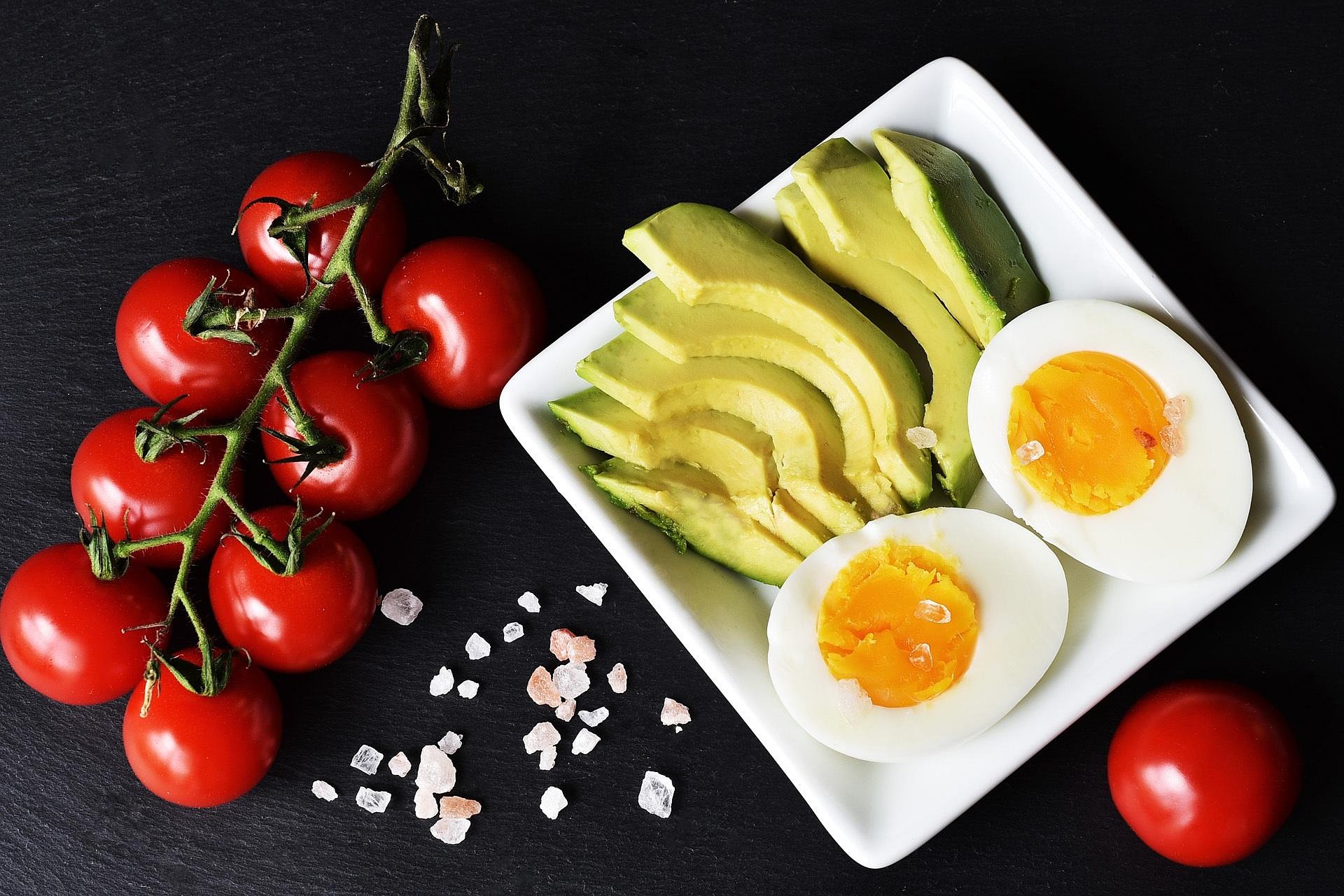
✔️ High healthy fats (avocado, nuts, olive oil, fatty fish)
✔️ Moderate protein intake
How Keto Works for Weight Loss
When carbohydrates are restricted, insulin levels drop. Insulin is a hormone that helps store fat; when it falls, your body releases stored fat and begins converting it to ketones — energy molecules your brain and muscles can use. The result:
✅ Steady fat burning
✅ Reduced hunger and cravings
✅ Enhanced metabolic flexibility
Studies show that people on a ketogenic plan often experience faster initial weight loss compared to traditional low‑fat diets, primarily due to reduced insulin and water loss.¹
What Is Intermittent Fasting?
Unlike Keto, Intermittent Fasting (IF) isn’t about what you eat — it’s about when you eat. IF implements cycles of eating and fasting to optimize your body’s hormonal environment for fat loss.
Most Popular IF Protocols
-
16/8 — 16 hours fasting, 8‑hour eating window
-
5:2 — Normal eating five days, reduced calories two days
-
24‑hour fasts — Once or twice a week
How IF Works for Weight Loss
Fasting periods help lower insulin levels naturally, increase human growth hormone, and enhance metabolic pathways that support fat burning and cellular repair.² The extended fasting window encourages your body to reach fat stores and burn them more efficiently.
Benefits Backed by Research
✔️ Improved insulin sensitivity
✔️ Reduced inflammation
✔️ Appetite regulation
✔️ Better mental focus
Many people also find IF easier to follow long‑term than calorie‑restricted diets because it doesn’t require constant tracking — only consistency in timing.
Keto vs Intermittent Fasting: Side‑by‑Side Comparison
| Feature | Keto Diet | Intermittent Fasting |
|---|---|---|
| Focus | Macros (carbs/fats) | Meal timing |
| Primary Mechanism | Ketosis | Fasting metabolism |
| Typical Weight Loss | Faster initial loss | Steady, sustainable loss |
| Hunger Control | Generally strong | Varies, often strong after adaptation |
| Long‑Term Sustainability | Depends on food preferences | Often easier for many people |
| Impact on Energy Levels | Can be high | Usually stable |
Both approaches reduce insulin levels and promote fat loss, but Keto targets what fuels the body, while IF targets when the body switches into fat burning.
Real Results and Success Insights
Thousands of Americans report successful weight loss and health improvements with both approaches:
🔹 Keto converts often highlight:
-
Quick shedding of stubborn belly fat
-
Better appetite control
-
Less sugar dependency
🔹 IF adherents often note:
-
Fewer cravings
-
Greater flexibility with food choices
-
Enhanced mental clarity
Both diets require consistency and lifestyle alignment — meaning whichever approach you choose should fit your daily rhythm and preferences.
Which Diet Is Best for YOU? Practical Tips
Here are some guidelines to decide:
🍽️ Choose Keto If:
✔️ You want rapid fat loss
✔️ You prefer structured eating
✔️ You don’t mind high‑fat foods
✔️ You enjoy meal prep
⏰ Choose Intermittent Fasting If:
✔️ You want simple eating rules
✔️ You hate calorie counting
✔️ You prefer flexibility around food choices
✔️ You want sustainable long‑term results
For many people, a hybrid approach (Keto with intermittent fasting windows) combines the benefits of both.
Common Mistakes & How to Avoid Them
❌ Mistake: Not monitoring electrolytes
Both Keto and IF can deplete sodium, magnesium, and potassium.
✅ Solution: Add electrolytes, water, leafy greens.
❌ Mistake: Eating processed foods
Even within Keto or IF windows, processed foods slow progress.
✅ Eat whole foods, lean proteins, healthy fats.
Conclusion: Weight Loss Diet in 2026
In 2026, the Keto Diet and Intermittent Fasting continue to be two of the most effective, science‑backed, and highly searched weight loss strategies in the USA.
Your choice should be based on personal goals, lifestyle, and sustainability. If your priority is fast fat loss and appetite control, Keto may be ideal. If you want simplicity and long‑term adherence, Intermittent Fasting could be best. Either way, both methods are proven to optimize metabolic health, reduce insulin levels, and help you reach your weight loss goals in a realistic, healthy way.
Advanced Strategies for Keto and Intermittent Fasting in 2026
Optimizing Keto for Maximum Fat Loss
While the basics of Keto involve high fat, moderate protein, and low carbs, advanced strategies can help maximize results:
-
Targeted Ketogenic Diet (TKD) – This method allows you to consume carbohydrates around workouts to maintain energy and enhance performance. TKD is ideal for athletes or people who perform high-intensity exercises.
-
Cyclic Ketogenic Diet (CKD) – Involves periods of higher carb intake, often used once or twice a week, which can help replenish glycogen stores and prevent metabolic slowdown.
-
Micronutrient Awareness – Focusing solely on macros is not enough. Include leafy greens, low-carb vegetables, and high-quality fats to ensure adequate vitamins, minerals, and antioxidants.
-
Hydration and Electrolytes – Sodium, magnesium, and potassium are often depleted during ketosis. Drinking plenty of water and supplementing electrolytes prevents fatigue, headaches, and muscle cramps.
With these strategies, Keto becomes more than a diet — it is a full metabolic reprogramming tool, allowing your body to burn fat efficiently while maintaining energy and focus.
Intermittent Fasting Tips for Sustainable Success
While IF is straightforward, proper execution is key:
-
Gradual Adaptation – Start with a 12-hour fasting window and gradually extend to 16–18 hours. This reduces hunger pangs and improves adherence.
-
Timing Your Workouts – Fasting workouts can enhance fat oxidation. Morning fasted cardio is often recommended to accelerate fat burning.
-
Nutrient-Dense Eating Windows – Focus on whole, unprocessed foods. Lean proteins, healthy fats, complex carbs, and vegetables will keep you satiated and provide energy.
-
Hydration is Crucial – During fasting, drink plenty of water, herbal teas, or black coffee. Staying hydrated supports metabolic functions and prevents fatigue.
IF is highly flexible and integrates well into busy American lifestyles. It can be combined with Keto or other low-carb diets for enhanced fat loss and metabolic health.
Sample Meal Plans for 2026 Weight Loss Trends
Keto Day Example
-
Breakfast: Avocado, smoked salmon, and spinach omelet
-
Snack: Almonds or macadamia nuts
-
Lunch: Grilled chicken with cauliflower rice and olive oil
-
Snack: Celery sticks with almond butter
-
Dinner: Baked salmon, broccoli sautéed in coconut oil, and a side of zucchini noodles
Intermittent Fasting 16/8 Example
-
Fasting Window: 8 PM – 12 PM (next day)
-
Lunch (first meal): Quinoa salad with grilled chicken, avocado, and mixed greens
-
Snack: Greek yogurt with berries
-
Dinner: Grilled lean steak with roasted vegetables and olive oil
Combining strategic planning with proper hydration, exercise, and micronutrient awareness ensures long-term success with both diets.
Integrating Lifestyle Factors for Maximum Results
-
Sleep and Recovery – Both Keto and IF can influence hormones such as cortisol and ghrelin. Prioritize 7–9 hours of sleep per night to support fat loss and appetite regulation.
-
Stress Management – High cortisol levels can hinder weight loss. Techniques like meditation, yoga, and deep breathing are valuable additions.
-
Regular Physical Activity – Resistance training enhances fat loss, preserves lean muscle mass, and improves insulin sensitivity. Cardiovascular exercise complements fat-burning efforts.
Lifestyle factors are often overlooked but are critical in making either diet effective in real-world conditions.
Common Pitfalls and How to Avoid Them
Keto Mistakes:
-
Overeating “keto-friendly” processed foods → Stick to whole foods.
-
Neglecting fiber → Include non-starchy vegetables to prevent digestive issues.
IF Mistakes:
-
Breaking the fast with high-sugar foods → This spikes insulin and negates fasting benefits.
-
Skipping nutrient-rich meals → Ensure your eating window contains high-quality protein, fats, and fiber.
Being mindful of these pitfalls allows both Keto and IF practitioners to stay on track and maximize their fat-loss potential.
Scientific Insights: Why These Diets Work
Recent studies in metabolic science and nutrition show:
-
Keto can reduce appetite and improve satiety signals, which helps with calorie control.³
-
Intermittent Fasting improves insulin sensitivity and enhances fat oxidation, even during periods of normal food intake.⁴
-
Combining these diets strategically can create a metabolic synergy, boosting fat loss while protecting lean muscle.
Tracking Your Progress
-
Body Measurements – Waist, hips, and weight give tangible progress data.
-
Photos – Weekly photos reveal visual changes better than scales alone.
-
Energy Levels and Mental Focus – Keep a journal of energy, sleep, and mood to assess how your body adapts.
-
Metabolic Markers – For those with access to labs, tracking blood glucose, ketone levels, and lipid profiles can guide dietary adjustments.
Conclusion: Keto vs Intermittent Fasting — The Best Diet for 2026
Both Keto and Intermittent Fasting are among the most searched, scientifically backed, and effective weight loss diets in the USA for 2026.
-
Keto: Ideal for those seeking rapid fat loss, appetite suppression, and a structured approach to food.
-
Intermittent Fasting: Best for individuals desiring simplicity, flexibility, and sustainable long-term results without strict macronutrient tracking.
Many successful individuals combine both strategies to leverage the benefits of fat-adaptive metabolism and hormonal optimization.
The ultimate takeaway is this: consistency, lifestyle alignment, and informed decision-making are the keys to achieving weight loss and metabolic health in 2026. Choose the method that fits your routine, adapt as you go, and you’ll see results that last.